
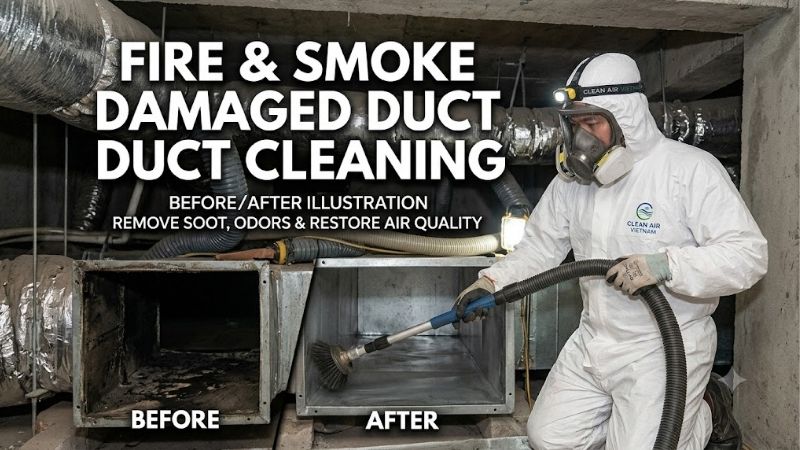
Fire smoke damaged duct cleaning requires specialized odor counteractants, HEPA filtration, and thermal sealants to eliminate toxic soot buildup completely. Loose ash particles trapped inside HVAC channels recirculate harmful contaminants whenever central blowers engage. Deploying verified restoration products protects indoor air quality effectively.
How to Choose Solutions for Fire Smoke Damaged Duct Cleaning
Evaluating proper gear for fire smoke damaged duct cleaning involves identifying where acidic soot residues cling along sheet metal walls. Mechanical scrubbing, liquid sanitizing, and encapsulation prevent persistent char odors from migrating into living areas. Choosing appropriate supplies restores full environmental safety cleanly.
Evaluating Smoke Odor Encapsulant Coatings
Applying an acrylic sealant over scrubbed sheet metal seams locks lingering char particles beneath a durable barrier. Highly permeable coatings prevent moisture trapping while stopping persistent smoke odor encapsulation issues from recurring. Selecting water-based sealants protects furnace blower assemblies during heating cycles.
Quality sealer formulas adhere tightly to galvanized steel and internal fiberglass insulation sleeves without peeling off. Using airless sprayers delivers thin, even coats across dark branch channels that hand brushes cannot reach. Proper coating application guarantees permanent odor suppression across all residential zones.
Selecting Thermal Foggers and Odor Neutralizers
Neutralizing volatile organic compounds requires liquid sprays that break down microscopic burnt molecules chemically. Performing ductwork thermal fogging disperses fine droplets deep into narrow boot elbows where manual wiping remains impossible. Selecting non-corrosive formulas preserves internal aluminum cooling coils.
Aqueous disinfectant solutions destroy embedded fungal spores and sour char smells simultaneously without rinsing. Hospital-grade EPA registrations ensure chemicals kill bacteria while leaving zero toxic residue behind. Timely chemical treatment prevents secondary contamination from spreading through home vents.
Utilizing HEPA Air Scrubbers and Rotary Brushes
Dislodging caked ash requires mechanical agitation paired with continuous high-volume negative air pressure containment. Professional HEPA air scrubbing units pull floating particulate matter out of return drops before loose dust lands on home furniture. Utilizing flexible nylon brushes strips stubborn creosote layers safely.
Variable speed drill adapters rotate soft bristle heads through rigid metal trunks without damaging seam joints. Connecting heavy-duty shop vacuums equipped with secondary filter bags traps fine carbon dust without clogging motor turbines. System agitation restores clear airflow pathways across distant bedroom registers.
Top Picks for Fire Smoke Damaged Duct Cleaning
Resolving fire smoke damaged duct cleaning challenges requires high-grade sealers, liquid disinfectants, and mechanical scrubbers. High-efficiency air scrubbers, rotary brush kits, and gas foggers eliminate stubborn soot effectively. The following verified Amazon items deliver dependable restoration relief for homes.
Fiberlock RECON Smoke Odor Sealer
Ideal for home restoration projects addressing fire smoke damaged duct cleaning by sealing residual odors permanently. High-tech acrylic resin forms an elastic barrier over internal sheet metal and fiberglass duct lining. Utilizing this fire restoration coating prevents trapped char smells from bleeding back into living areas.
Applying uniform coatings requires using airless paint spray equipment inside narrow rectangular distribution trunks. Nevertheless, water-based non-flammable composition meets strict NFPA safety standards for residential heating systems cleanly. It provides professional-grade encapsulation performance for post-fire repairs.
Vital Oxide Mold and Smoke Odor Eliminator
Designed for property owners needing a hospital-grade antimicrobial duct sanitizer to eliminate burnt smells without harsh fumes. Stabilized chlorine dioxide neutralizes stubborn smoke molecules and mold spores on contact without rinsing. Spraying this formula restores clean indoor air quality following severe household fires.
Targeting deep branch lines requires using fogging machines or long spray wands through open register boots. However, NSF certification confirms zero volatile organic compound emissions, making it completely safe around families. It offers versatile multi-surface sanitizing power for HVAC return and supply ducts.
Dri-Eaz DefendAir HEPA 400 Air Scrubber
Perfect for contractors managing fire smoke damaged duct cleaning by filtering airborne ash during mechanical brush agitation. High-efficiency HEPA filters capture 99.97 percent of microscopic carbon particles down to 0.3 microns. Utilizing this restoration air purifier maintains negative pressure inside work areas.
Moving this 30-pound portable unit through narrow attic spaces requires careful physical lifting during setup routines. Even so, robust rotomolded housing and quiet 400 CFM airflow deliver exceptional dust containment performance. It provides commercial-grade air scrubbing power that keeps home living spaces safe.
VEVOR 50-Foot Rotary Duct Cleaning Brush Kit
Suited for DIYers mechanically removing caked soot and ash from long residential supply and return duct runs. Flexible reinforced nylon rods attach to standard power drills to rotate high-density brush heads through tight metal elbows. Using a rotary vent cleaning brush strips stubborn carbon deposits without puncturing walls.
Navigating sharp 90-degree sheet metal elbows demands slow drill speeds to prevent rod binding inside narrow boots. Regardless, durable chrome button-locking connections prevent brush loss inside hidden ductwork trunks during reverse spinning. It offers outstanding value for thorough mechanical ash removal projects.
Biocide Systems Auto/Room Shocker CLO2 Fogger
Great for homeowners eliminating trapped smoke odor from isolated branch lines using advanced gas vaporization. Eco-friendly chlorine dioxide gas penetrates deep porous surfaces to destroy embedded burnt organic molecules permanently. Activating this chlorine dioxide odor bomb neutralizes stubborn char smells within hours.
Requires vacating treated rooms completely during the 4- to 12-hour gas generation and venting process. Nevertheless, non-toxic residue breaks down safely into simple salt water without leaving chemical films behind on metal walls. It delivers powerful localized odor destruction for stubborn post-fire smells.
| Product Model | Product Type | Primary Feature | Best For |
|---|---|---|---|
| Fiberlock RECON | Acrylic Sealer | OdorLock Encapsulation | HVAC Sheet Metal Sealing |
| Vital Oxide | Liquid Disinfectant | Chlorine Dioxide Base | Duct Sanitizing & Fogging |
| Dri-Eaz HEPA 400 | Air Scrubber | 99.97% HEPA Capture | Negative Air Containment |
| VEVOR 50-Foot | Rotary Brush Kit | Reinforced Nylon Rods | Mechanical Soot Scraping |
| Biocide Shocker | CLO2 Gas Fogger | Vapor Penetration | Deep Branch Odor Removal |
Frequently Asked Questions
Addressing fire smoke damaged duct cleaning raises critical questions regarding safety, liner replacement, and chemical application. Below are clear expert answers to help you navigate post-fire restoration steps effectively. Reviewing these facts ensures proper air quality restoration and long-term equipment protection.
Can You Clean Fire Smoke Damaged Ducts Yourself?
Minor smoke incidents involving light surface dust can be managed using rental HEPA vacuums and rotary brush kits. However, severe structural fires release acidic toxic soot residue containing dangerous synthetic compounds and heavy metals. DIY scrubbing without proper negative pressure containment risks spreading toxins everywhere.
Professional restoration crews utilize industrial negative air machines and protective respirators to isolate active dust plumes. Inspecting your furnace cabinet with bright lights clarifies whether professional thermal encapsulation is required. Selecting proper safety equipment prevents personal health risks during cleanup routines.
How Do You Know If Ductwork Insulation Must Be Replaced?
Internal fiberglass duct insulation absorbs liquid smoke vapors deeply due to its porous fibrous structure. While rigid sheet metal surfaces can be washed and sealed, damaged fiberglass duct liner replacement is mandatory when soot saturates inner padding. Trapped odors bleed continuously if porous materials remain unhandled.
Replacing degraded fiberglass lining restores thermal efficiency while stopping persistent indoor air contamination. Inspecting return drop sleeves reveals whether insulation fibers feel brittle or smell like heavy ash. Removing ruined porous materials prevents recurring odor spikes during seasonal heating usage.
How Long Does Fire Smoke Odor Remain Inside Air Ducts?
Unaddressed char smells can linger inside HVAC systems indefinitely as temperature changes re-activate oily soot deposits. Running a furnace without thorough fire smoke damaged duct cleaning forces warm air across contaminated metal surfaces continually. Unsealed ash particles contaminate new furnace air filters in days.
Applying specialized acrylic sealants encapsulates residual odor molecules permanently within 24 hours of curing time. Combining thorough mechanical agitation with liquid counteractants eliminates persistent odors within days. Prompt restoration work restores neutral indoor scent profiles across all living spaces.
Are Sanitizing Sprays Safe for Furnace Blower Motors?
Water-based sanitizing sprays are completely safe for furnace cabinets when applied carefully using fine fogging equipment. Avoid saturating delicate electrical control boards, blower motor windings, and gas ignition sensors with liquid droplets. Using non-corrosive disinfectant sprays protects internal mechanical assemblies.
Allowing components to dry thoroughly before turning on central heating prevents short circuits and motor electrical failures. Inspecting blower wheels removes loose soot crusts before applying liquid odor counteractants. Proper chemical handling maintains equipment durability while restoring fresh airflow delivery.
Final Thoughts
Understanding how to perform fire smoke damaged duct cleaning protects family health while restoring long-term HVAC performance. Utilizing rotary brushes, HEPA scrubbers, and acrylic sealants eliminates stubborn char odors completely. Invest in proper indoor air quality restoration supplies today to ensure clean air in your home.
As an Amazon Associate we earn from qualifying purchases at no extra cost to you.



Write Your Review
No reviews yet. Be the first to share your experience!