
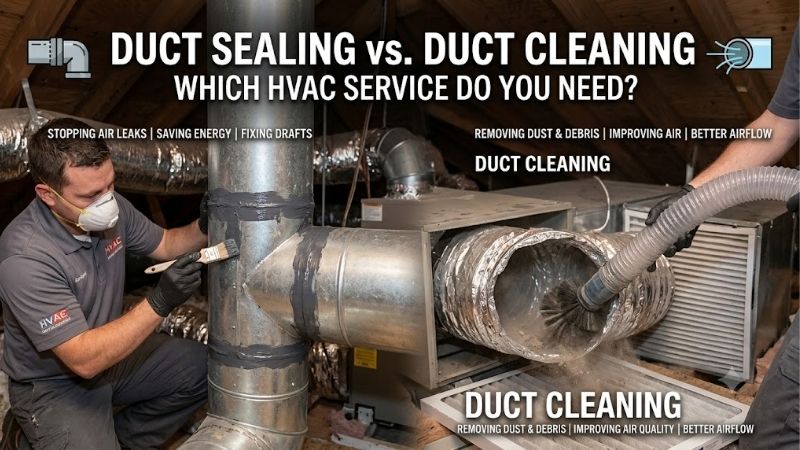
Duct sealing vs duct cleaning represents a vital debate for homeowners aiming to optimize heating and cooling performance. While sealing fixes air leaks that waste money, cleaning removes heavy dust accumulation from internal vents. Choosing the right service depends on whether your home suffers from high bills or poor air quality.
How to Choose the Right Duct Sealing vs Duct Cleaning
Evaluating the choice between duct sealing vs duct cleaning requires assessing whether your HVAC system suffers from structural air loss or heavy internal debris. Pinpointing your main household issues prevents spending money on unnecessary treatments. Proper diagnosis ensures maximum system performance and healthy airflow.
Evaluating Energy Loss versus Contaminants
Homeowners experiencing fluctuating room temperatures or sudden utility price spikes should prioritize checking for physical air leaks in unconditioned spaces. Unsealed sheet metal seams allow heated or cooled air to escape before reaching living quarters. Repairing open gaps restores proper system balance and lowers monthly energy bills.
Conversely, houses exhibiting heavy surface dust buildup or musty odors during system startup usually benefit more from direct interior vent care. Weighing duct sealing vs duct cleaning comes down to identifying structural gaps versus trapped particulate debris. Addressing primary symptoms yields immediate home comfort improvements.
Inspecting Internal Duct Integrity and Age
Older metal ductwork systems frequently develop loose connections, rusted seams, or deteriorated sealant layers from decades of thermal expansion. Applying durable mastic sealant or aluminum foil tape permanently stops air loss through these aged joints. Sealing structural seams preserves blower motor pressure and system velocity.
Flexible duct lines located inside attic floors require careful visual checking to ensure internal insulation has not collapsed or detached entirely. Dislodge dirt without tearing fragile inner plastic sleeves requires specialized soft brushes or light vacuums. Inspecting duct integrity keeps repair projects safe and effective long-term.
Testing System Pressure and Indoor Air Quality
Performing a professional blower door test measures exact static pressure levels and pinpoint leakage points across whole-house ventilation lines. High leakage percentages indicate that air escaping into attic joists demands immediate joint patching. Measuring pressure metrics eliminates guesswork before buying sealing supplies.
Monitoring room particle counts with diagnostic sensors reveals if dusty vents actively degrade your overall indoor air quality daily. When airborne dust levels remain high despite regular filter replacements, interior channel vacuuming becomes necessary. Objective environmental data guides smart maintenance investment decisions.
Top Picks for Home HVAC Maintenance
Selecting reliable tools for duct sealing vs duct cleaning makes executing DIY home repairs efficient and highly successful. We selected top Amazon products designed to eliminate air leaks, remove heavy vent dust, and monitor air channels. These proven supplies help restore peak HVAC operating efficiency safely.
Nashua 324A Cold Weather Premium Foil Tape
Designed for sealing metal ductwork joints, this code-approved aluminum tape creates an airtight bond across unconditioned attic channels. Its aggressive acrylic adhesive withstands extreme temperature shifts, preventing air leakage from flexible lines. It serves as an essential supply when evaluating duct sealing vs duct cleaning.
Applying the stiff aluminum backing around tight flexible elbows requires patient hands and firm pressure to prevent wrinkles or gaps. However, its UL 181 listing and exceptional cold-weather adhesion ensure permanent seam protection. It provides a reliable sealing solution that significantly boosts HVAC energy efficiency.
Red Devil 0846DS Acrylic Duct Sealant Mastic
Ideal for bridging wide gaps in sheet metal trunk lines, this water-based mastic sealant cures into a durable, flexible seal. Its thick consistency applies smoothly with a stiff brush, effectively blocking air leaks along main return plenums. It offers professional-grade gap closure for high-pressure heating systems.
The damp mastic requires several hours of complete drying time before turning main system blowers back on during home repairs. Nevertheless, its non-flammable formula and permanent flexibility prevent recurring air leaks caused by thermal expansion. It remains a top choice for permanent ductwork seam restoration.
CRAFTSMAN CMXEVBE17595 16 Gallon Shop Vac
Built for heavy post-renovation cleanup, this high-capacity shop vacuum delivers powerful suction for clearing loose register dust and debris. Its 6.5 peak HP motor easily extracts heavy grit from main return vents, keeping air handlers clean. It provides essential suction power for DIY vent maintenance projects.
The large drum footprint requires storage space in your garage and takes effort to move up narrow household staircases. However, its massive holding capacity and rear blower port make it an invaluable tool for clearing accumulated duct dirt. It delivers long-lasting power that cleans vent registers thoroughly.
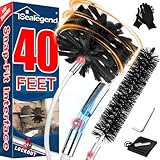
Holikme 30 Feet Dryer Vent Cleaner Kit
Designed for deep channel cleaning, this flexible rotary brush kit attaches to power drills to strip trapped dust from vent walls. Screw-together extension rods reach deep into long duct runs, dislodging stubborn dirt without hiring outside help. It offers an affordable way to reduce internal airflow resistance.
Connecting multiple extension rods requires careful tightening and clockwise drill rotation to prevent detached rods inside duct lines. Despite brief assembly effort, the durable brush head scrubs internal walls safely without scratching sheet metal. It acts as a reliable tool for maintaining smooth vent airflow.
DEPSTECH DS300 Industrial Endoscope
Perfect for home maintenance inspection, this standalone endoscope camera streams clear 1080P video directly to a bright color screen. Featuring a long semi-rigid cable, it lets you inspect deep inside air channels for unsealed joints or heavy dust. It empowers homeowners to inspect ductwork independently.
Guiding the semi-rigid probe cable through sharp ninety-degree metal elbows requires patient manual handling to avoid twisting. However, its clear display and built-in LED lights eliminate guesswork when checking internal vent conditions. It is a cost-effective diagnostic tool that guides proper repair choices.
| Product Name | Category | Primary Benefit | Best Application |
|---|---|---|---|
| Nashua 324A Foil Tape | Duct Sealing Tape | UL 181 code-approved cold seal | Metal & flex duct seam sealing |
| Red Devil 0846DS Mastic | Mastic Sealant | Bridges wide sheet metal gaps | Main air handler plenum seals |
| CRAFTSMAN 16 Gal Vac | Heavy Shop Vacuum | 6.5 Peak HP intense suction | Clearing loose return vent dust |
| Holikme 30 Ft Kit | Rotary Vent Brush | Power-drill rotary cleaning | Stripping wall dust buildup |
| DEPSTECH DS300 | Inspection Camera | Standalone 1080P display screen | Checking internal duct leaks & dust |
Frequently Asked Questions
Homeowners frequently ask critical questions regarding duct sealing vs duct cleaning when planning home maintenance routines. Understanding how air leaks and interior dirt impact HVAC systems helps you make smart repair choices. Here are expert answers to common questions about duct performance and efficiency.
Which service saves more money on utility bills?
Analyzing duct sealing vs duct cleaning shows that sealing unconditioned ductwork yields significantly higher direct savings on monthly energy costs. Unsealed seams allow up to thirty percent of heated or cooled air to escape into empty attic spaces. Patching gaps keeps conditioned air flowing directly into rooms.
Cleaning interior vents improves overall indoor air quality but rarely alters monthly utility expenses unless severe blockages restrict main blowers. Sealing duct connections keeps your air handler running efficiently without wasting electricity. Prioritizing seam repairs offers the best financial return on investment.
Should you clean ducts before or after sealing them?
Performing thorough interior vent vacuuming before applying mastic sealant or aluminum tape is recommended for optimal maintenance results. Removing accumulated dust from register openings prevents loose debris from settling into fresh sealant edges. Clean surfaces also allow tape adhesives to bond firmly to metal.
Once interior channels are free of heavy dust, sealing all accessible seams stops future attic dust from re-entering your home ventilation system. Following this correct sequence ensures long-lasting seal integrity while maintaining clean airflow. Proper timing maximizes both air quality and system efficiency.
Can unsealed ducts cause dirty vents inside rooms?
Yes, open duct seams located in dusty attics or basements draw raw dust directly into system return lines due to negative air pressure. When system blowers pull unconditioned air through gaps, fiberglass fibers and attic dust travel straight to living spaces. Sealing joints prevents attic debris contamination.
If room registers continuously collect dark dust despite frequent filter changes, unsealed duct connections are frequently the underlying cause. Sealing structural joints stops dirty air intrusion, making routine room cleaning much easier. Closing seams keeps your home atmosphere consistently fresh and clear.
How often should home ductwork be inspected?
Inspecting accessible attic and basement ductwork every two years helps catch loose foil tape and deteriorated mastic sealant early. Regular visual checks allow homeowners to repair small joint leaks before they cause noticeable utility bill increases. Early detection keeps heating and cooling machinery balanced.
Using a handheld inspection camera lets you check internal vent conditions without hiring expensive diagnostic technicians. If visual checks reveal heavy dust accumulation or disconnected flex lines, targeted repairs can be made promptly. Consistent inspection preserves system longevity and energy efficiency.
Final Thoughts
When choosing duct sealing vs duct cleaning, evaluating whether your HVAC system suffers from air loss or internal dust guides the right choice. Sealing open gaps lowers monthly utility bills, while cleaning vents improves indoor air quality. Utilizing quality mastic, foil tape, and vacuums keeps your home comfortable.
As an Amazon Associate we earn from qualifying purchases at no extra cost to you.










Write Your Review
No reviews yet. Be the first to share your experience!