
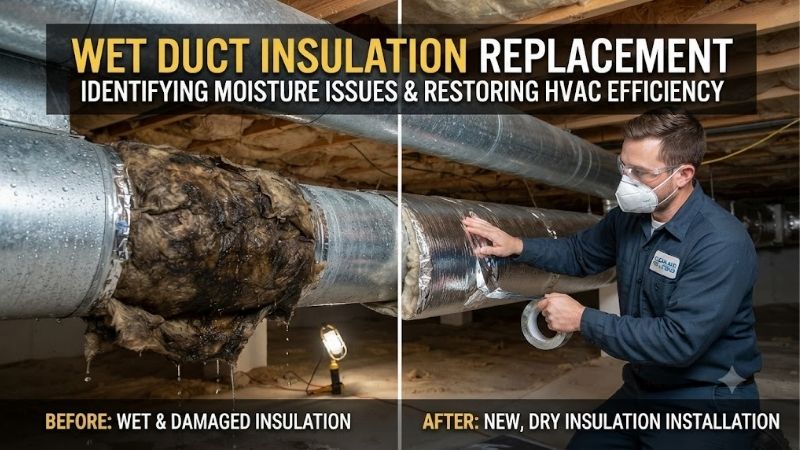
Wet duct insulation replacement resolves severe moisture buildup, mold risks, and thermal loss across saturated HVAC channels. Stripping soaked fiberglass sleeves and re-wrapping sheet metal with fresh vapor barriers restores system efficiency while preserving indoor air purity. Taking swift action prevents structural duct corrosion.
How to Choose the Right Wet Duct Insulation Replacement
Selecting materials for wet duct insulation replacement requires evaluating thermal R-values, moisture resistance, and physical dimensions. Planning an HVAC duct wrap removal project ensures homeowners replace soggy fiberglass with durable vapor barriers that stop sweating channels. Proper planning preserves overall climate control.
Thermal Resistance and R-Value Specifications
Choosing adequate thermal insulation prevents internal sweating along metal air ducts during summer cooling cycles. High R-value wraps stop warm attic air from contacting cold sheet metal, effectively eliminating musty vent condensation risks. Higher ratings deliver better temperature control across long distribution runs in homes.
Standard residential ductwork typically requires R-6 to R-8 insulation layers depending on local building codes and climate conditions. Installing thin unrated materials leads to thermal transfer, increasing monthly utility bills while encouraging moisture accumulation. Selecting thick thermal barriers ensures maximum efficiency year-round.
Moisture Resistance and Material Compatibility
Insulation materials must resist water absorption to prevent recurring mold colonies and metal degradation inside attics. Replacing damaged fiberglass ductwork with closed-cell foam or foil radiant barriers stops water retention completely. Non-porous sleeves protect structural metal channels from continuous humidity exposure.
Traditional glass wool sleeves trap moisture when condensation forms, leading to heavy sagging and lost insulation capacity. Modern reflective foam rolls shed water droplets instantly without losing structural firmness over time. Choosing water-resistant wraps safeguards home air channels against persistent dampness problems.
Duct Size Dimensions and Roll Coverage
Accurate measurement of duct outer perimeters ensures seamless wrap installation without leaving exposed metal gaps. Installing an R-value thermal barrier roll with proper width simplifies wrapping round or rectangular supply trunks efficiently. Selecting generous roll lengths minimizes seams where warm air could potentially enter.
Cutting insulation sleeves too short leaves bare metal patches that collect moisture during high humidity periods. Homeowners should calculate total surface area and purchase excess wrap material to accommodate overlaps along joints. Proper coverage guarantees uniform thermal protection across all residential duct branches.
Sealing System and Tape Vapor Resistance
Securing insulation seams with heavy-duty foil tape prevents warm ambient air from leaking behind fresh insulation jackets. Creating a complete vapor barrier duct seal stops moisture intrusion before condensation can pool against cold metal walls. Quality acrylic adhesives maintain strong bonding under extreme temperature swings.
Standard cloth duct tape dries out and loses adhesion rapidly when exposed to fluctuating crawlspace humidity levels. Specialized aluminum foil tapes rated for HVAC applications maintain airtight bonds across several seasons. Reliable tape sealing protects replacement insulation from premature detachment or sagging.
Top Picks for Wet Duct Insulation Replacement
Finding the ideal wet duct insulation replacement products requires selecting proven wraps, foams, and aluminum foil tapes. The following top-rated Amazon items offer strong thermal resistance, easy installation, and reliable moisture barriers. Quality materials ensure long-lasting protection for home air ducts.
Frost King SP55/6 Fiberglass Duct Insulation
Ideal for homeowners replacing saturated attic wraps, Frost King SP55/6 provides an R-6 thermal barrier. This foil faced insulation roll features two-inch thick fiberglass backed by a durable foil jacket that resists vapor intrusion. Flexible construction wraps smoothly around round sheet metal pipes and flexible ducts.
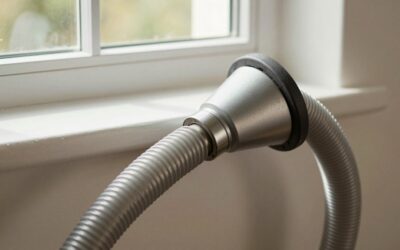
Image showing Frost King SP55/6 Fiberglass Duct Insulation for wet duct insulation replacement.
On the downside, handling raw fiberglass fibers requires wearing long sleeves, gloves, and protective dust masks during installation. The twelve-inch width also requires multiple spiral wraps across long duct trunks, increasing taping labor. Still, its high R-6 rating delivers exceptional thermal control for humid attics.
SmartSHIELD 5mm Reflective Foam Insulation Roll
Perfect for crawlspaces prone to humidity, SmartSHIELD utilizes double-sided reflective aluminum over a 5mm core. This closed-cell foam insulation blocks ninety-five percent of radiant heat without absorbing water or sagging over time. Non-toxic lightweight construction allows effortless cutting and taping around ducts.
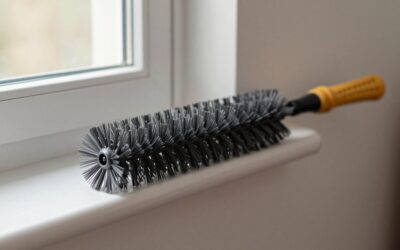
Image showing SmartSHIELD 5mm Reflective Foam Insulation Roll for wet duct insulation replacement.
However, the thin 5mm profile delivers lower conductive resistance compared to bulky two-inch fiberglass blankets in extreme climates. Users in severe freezing zones may need multiple layers to meet local building codes. Nevertheless, its waterproof design completely stops recurring condensation on cold metal channels.
US Energy Products Reflective Foam Core Insulation
Engineered for heavy-duty HVAC applications, US Energy Products reflective wrap delivers an R-8 thermal shield. This metalized foam core wrap excels at attenuating duct sweating in hot, unconditioned crawlspaces. Class 1 fire-rated materials guarantee safety while maintaining consistent climate control across home networks.
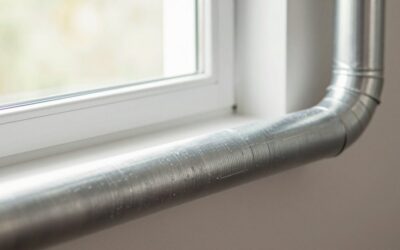
Image showing US Energy Products Reflective Foam Core Insulation for wet duct insulation replacement.
Downside wise, the stiff foam structure requires firm pressure when bending around tight ninety-degree duct elbows. Sizing options can also feel somewhat expensive upfront for small localized patch repairs in bedrooms. Regardless of stiffness, its superior R-8 thermal protection prevents future moisture problems easily.
Reflectix Spiral Pipe Wrap Bubble Insulation
Great for DIYers completing ductwork mold remediation, Reflectix spiral wrap features dual reflective foil layers enclosing sealed air bubbles. The flexible wrap contours easily around narrow branch vents and rectangular boots without tearing. Reflective barriers stop thermal transfer while preventing surface moisture condensation.
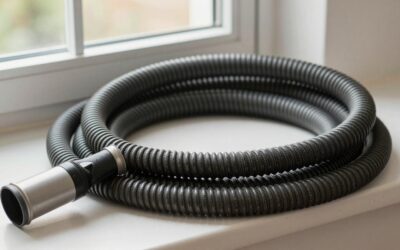
Image showing Reflectix Spiral Pipe Wrap for wet duct insulation replacement.
On the downside, bubble layers can puncture if dragged against sharp sheet metal edges or hanging duct straps. It also requires proper dead air spacing during installation to achieve maximum advertised thermal performance. Despite delicate bubbles, its lightweight flexibility simplifies wrapping tight duct runs.
Nashua 324A Cold Weather Premium Foil Tape
Tailored for sealing fresh duct jackets, Nashua 324A provides commercial-grade adhesion across extreme temperatures. This UL181A-P foil tape creates airtight moisture seals over foil wrap seams, preventing warm vapor intrusion. Thick aluminum backing resists tearing while sticking securely to metal and insulation faces.
Image showing Nashua 324A Cold Weather Premium Foil Tape for wet duct insulation replacement.
However, removing the paper backing liner can feel tedious when working in cramped attics with gloved hands. The rigid aluminum foil can also crease easily if misaligned during application, requiring careful smoothing. Regardless of handling needs, its permanent adhesive bond ensures long-lasting seam integrity.
| Product Model | Material Type | R-Value / Shield | Primary Advantage | Price Tier |
|---|---|---|---|---|
| Frost King SP55/6 | Fiberglass & Foil | R-6 Rating | High thermal resistance | Budget |
| SmartSHIELD 5mm | Closed-Cell Foam | Radiant Shield | Waterproof non-absorbent core | Moderate |
| US Energy Products | Reflective Foam Core | R-8 Rating | Class 1 fire-rated safety | Premium |
| Reflectix Spiral Wrap | Foil Bubble Barrier | Radiant Barrier | Extremely flexible for bends | Budget |
| Nashua 324A Tape | Heavy Foil Adhesive | UL181A-P Rated | Permanent cold-weather seam seal | Budget |
Frequently Asked Questions
Addressing common questions regarding wet duct insulation replacement helps homeowners resolve moisture issues effectively. Clarifying causes, health risks, and replacement techniques prevents costly HVAC mistakes. Expert answers ensure clean indoor air and efficient heating system operation year-round.
Why does duct insulation get wet in the first place?
Duct insulation absorbs water when cold metal air channels encounter warm, humid attic air without adequate vapor barrier sealing. When surface temperatures drop below the ambient dew point, musty vent condensation forms along uninsulated outer walls. Unsealed insulation sleeves trap this moisture against metal ducts.
Additionally, roof leaks, plumbing drips, or clogged HVAC condensate drain lines can spill liquid water directly onto duct jackets. Once fiberglass wool absorbs water, it loses its thermal resistance and remains damp indefinitely. Fixing moisture sources prevents new insulation wraps from suffering liquid saturation.
Can you dry out wet duct insulation instead of replacing it?
Attempting to dry out wet duct insulation is ineffective because compressed fiberglass loses its original thermal R-value permanently. Water breaks down glass wool fiber structures, causing the material to sag and trap moisture internally. Replacing damaged fiberglass ductwork remains the only reliable solution.
Furthermore, damp insulation creates an ideal breeding ground for hazardous mold spores and bacteria in dark crawlspaces. Running air conditioning through wet wraps encourages fungal growth that pollutes home indoor air. Installing fresh, dry insulation materials restores hygiene and thermal efficiency.
How do you identify hidden wet insulation along air ducts?
Identifying wet duct insulation involves inspecting attic channels for visible sagging, dark water stains, or dripping seams. Touching fiberglass sleeves reveals damp spots where condensation has accumulated beneath the outer foil jacket. Persistent musty smells near vents also signal trapped moisture inside ducts.
Homeowners can use non-invasive moisture meters or thermal imaging cameras to locate cold, wet sections along long duct runs. Thermal cameras highlight cold spots caused by wet insulation, making targeted repairs simpler. Early detection stops structural metal rust and prevents widespread mold growth in attics.
Is replacing duct insulation a DIY project?
Homeowners can successfully complete localized duct insulation replacement on accessible straight duct runs using basic hand tools. Stripping damaged sections, wiping sheet metal clean, and wrapping fresh foam or foil sleeves requires minimal technical skill. DIY repairs save money on simple residential maintenance tasks.
However, extensive mold contamination or hard-to-reach crawlspace networks may require professional HVAC technician assistance. Professionals possess commercial equipment to sanitize rusty metal ducts and install code-compliant R-8 insulation. DIY works for small sections, while contractors handle full systems.
Final Thoughts
Executing timely wet duct insulation replacement protects your HVAC system efficiency while preserving healthy indoor air quality. Removing soaked fiberglass sleeves, wiping metal air channels, and applying fresh vapor barriers prevents recurring condensation. Taking action today safeguards home comfort and lowers heating costs.
As an Amazon Associate we earn from qualifying purchases at no extra cost to you.




Write Your Review
No reviews yet. Be the first to share your experience!